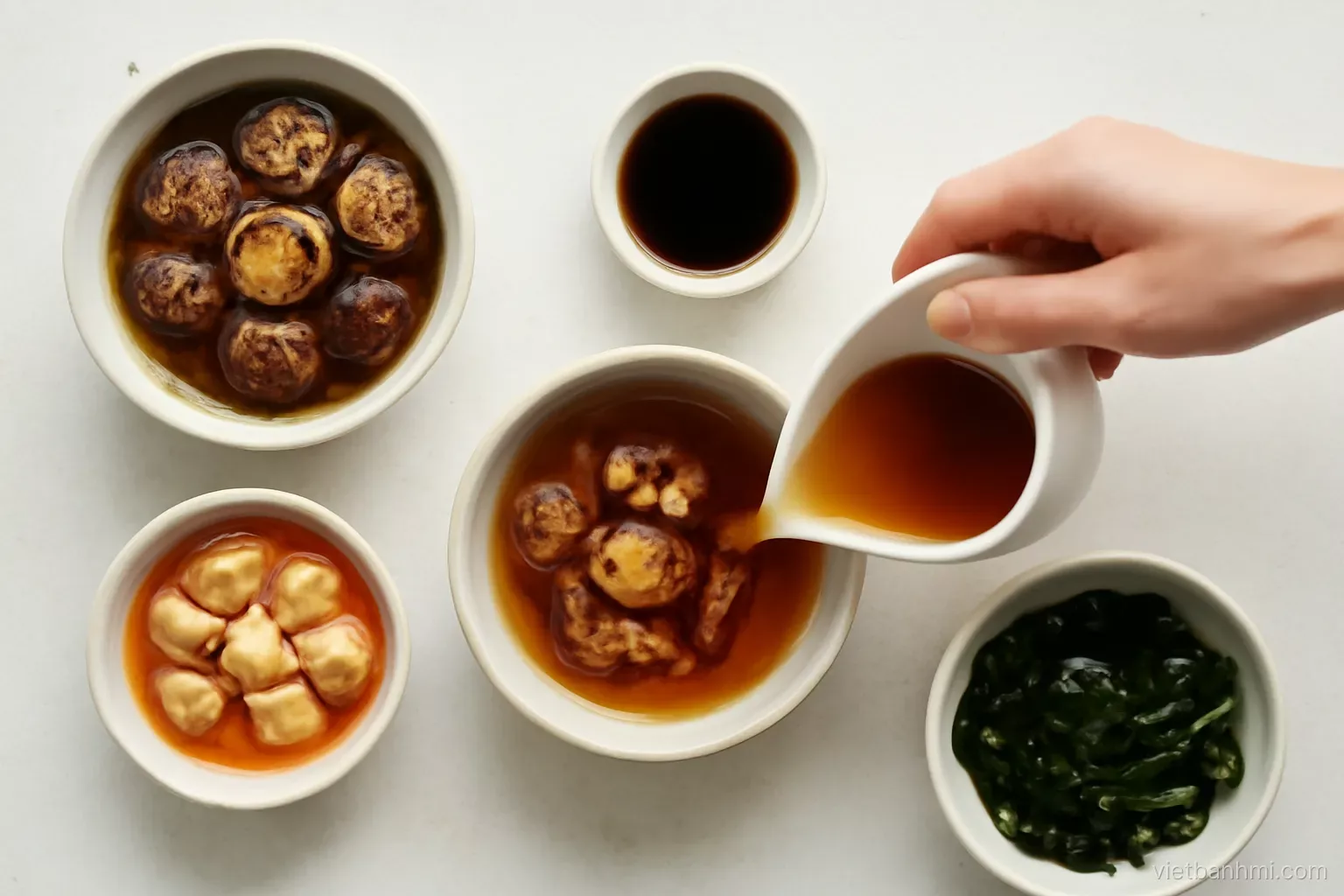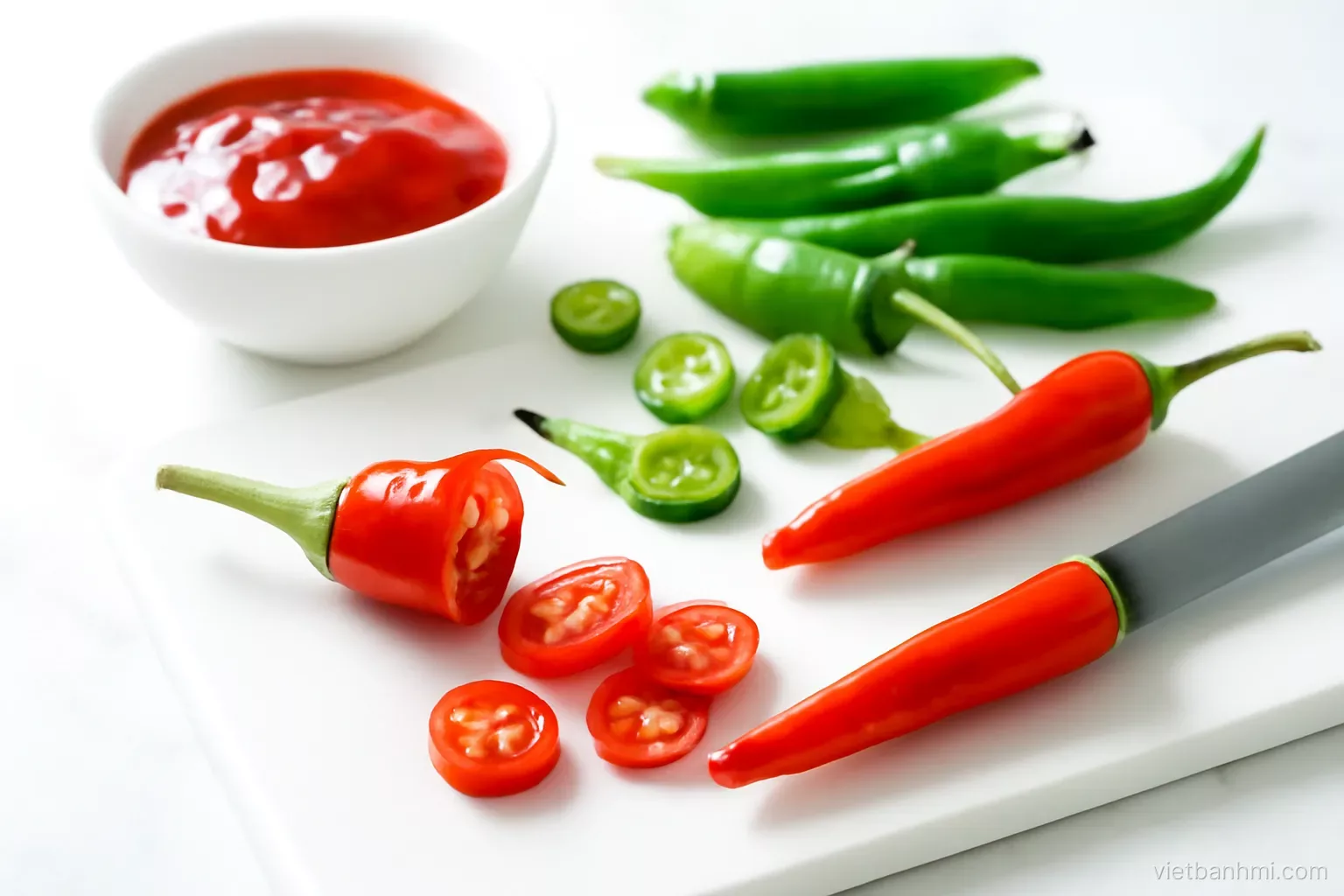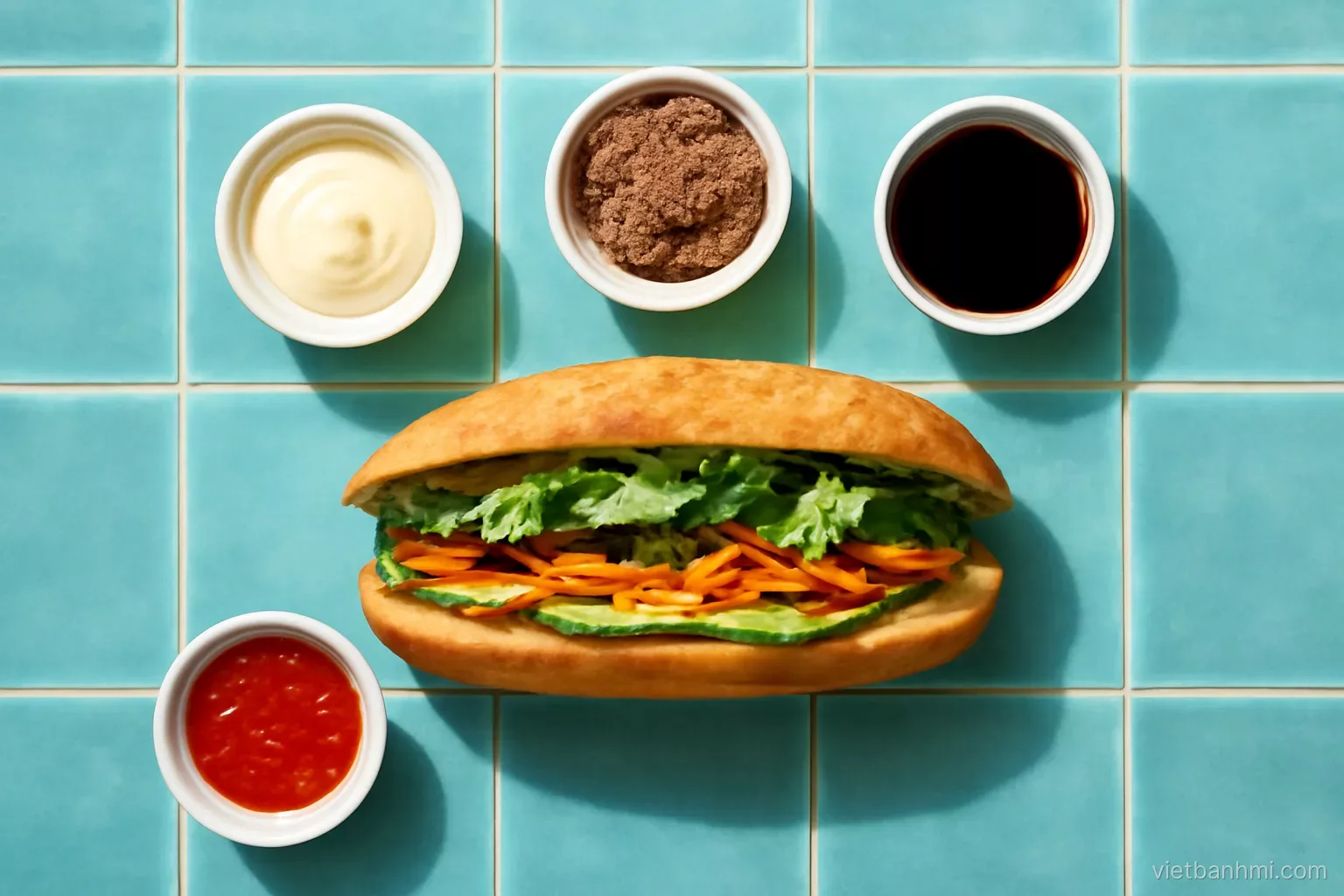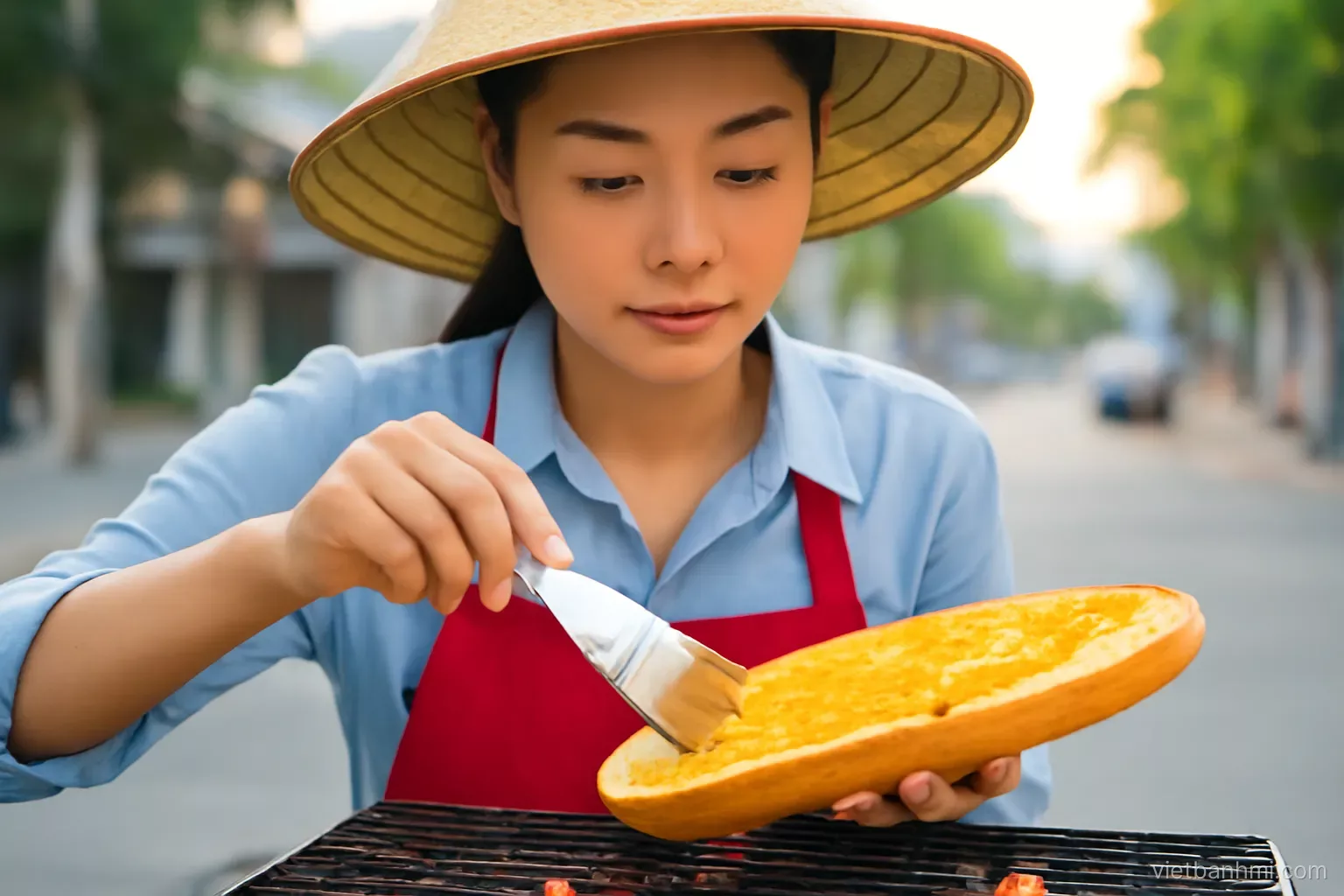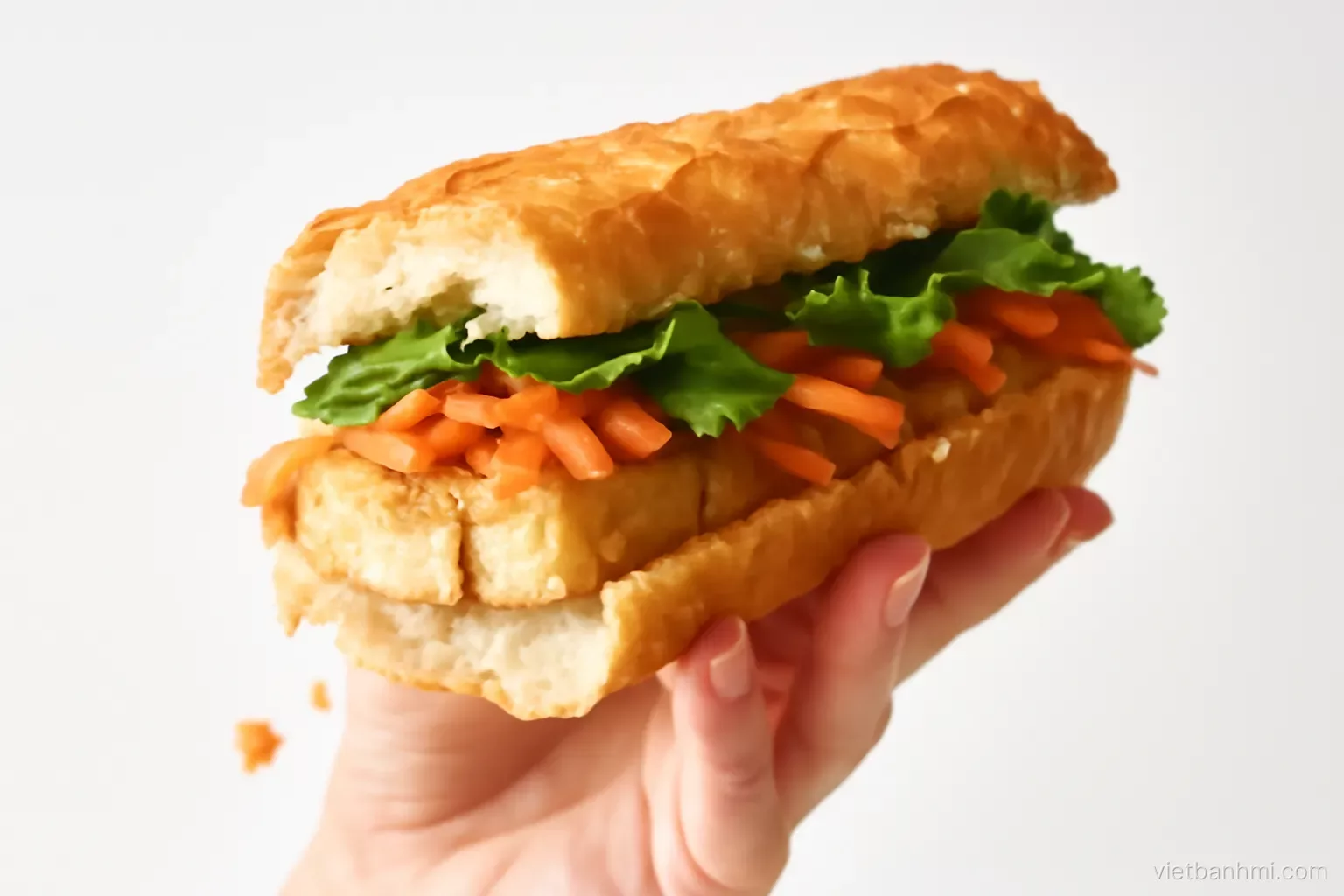
Short answer: A great banh mi stacks contrasting textures: a crust that shatters, a soft and airy crumb, a creamy spread, a tender or crisp filling, crunchy pickles and cucumber, and tender herbs. The contrast is a big part of why it is so satisfying. Texture is also the first thing to fade, because moisture from fillings and humid air softens the crust within about 15 minutes, so build order, draining and timing matter as much as recipes.
Why texture matters as much as flavor
Ask people why they love banh mi and many start with the sound: the crackle when the loaf is split, the crunch of the first bite. Vietnamese cooking in general prizes contrast, pairing soft with crisp and hot with cool, and banh mi concentrates that idea into one hand-held package. A sandwich with good flavors but a soggy loaf disappoints; a sandwich with simple fillings but perfect bread and crisp pickles can be memorable.
Thinking about texture also helps you understand why vendors do things the way they do: why the bread is warmed just before filling, why pickles are lifted out of their brine, why herbs go on last. Each step protects a texture. For the flavor side of the same story, see the rest of our Flavors & Ingredients section.
The texture map of a banh mi
| Layer | Ideal texture | Job it does | What ruins it |
|---|---|---|---|
| Crust | Paper-thin, shattering | Sound, first crunch | Humidity, age, wet fillings |
| Crumb | Soft, airy, compressible | Easy bite, holds fillings | Dense dough, soaking sauces |
| Spread | Smooth, creamy | Richness, moisture barrier | Too thin a layer, or none |
| Main filling | Tender, juicy, or seared-crisp | Substance and chew | Steaming, sitting lukewarm |
| Đồ chua (pickled carrot and daikon) | Crisp-tender, springy | Crunch and acid | Old batch, undrained brine |
| Cucumber | Cool, snapping | Freshness, relief from heat | Thin slices that go limp |
| Herbs | Tender, perky | Aroma, lightness | Heat from fillings, wet leaves |
| Toppings | Crisp (fried shallots, chili) | Extra crunch, bursts of heat | Added too early, absorbing moisture |
Crust and crumb: shatter and pillow
The bread provides two opposite textures in one: a crust so thin it breaks into flakes, and a crumb so light it compresses almost to nothing when you bite. That pairing is what lets a banh mi hold a generous filling without becoming a jaw workout. The crust is also the most fragile texture in the sandwich, because it is so thin that a little moisture undoes it.
Vendors protect it in two ways. They buy or bake bread several times a day, and they warm each loaf just before filling, which drives off surface moisture and brings back the crackle. Some also scoop out a little of the crumb from thick loaves to make room for fillings and keep the ratio of crust to filling right. If you are buying, press the loaf gently: it should crackle and spring back. For more on the bread itself, see Banh Mi 101.
Crunch from the vegetables
Pickles and cucumber are the sandwich's second source of crunch, and they work differently from the crust. Đồ chua has a springy, crisp-tender bite, achieved by salting the carrot and daikon before pickling to draw out water, and by cutting matchsticks thick enough, around 3–4 mm, to hold their structure. Cucumber, usually cut in long spears, adds a cool, watery snap that contrasts with warm fillings.
Both bring water into the sandwich, which is the enemy of the crust. That is why careful vendors lift pickles out of the brine with tongs or a fork and let them drip before adding them, and why cucumber is cut into spears rather than thin, weeping slices. At home, patting pickles briefly on a paper towel makes a noticeable difference.
Crisp, tender and chewy fillings
The main filling sets the sandwich's overall chew. Grilled meats in conventional banh mi are tender with charred edges; braised fillings are soft and saucy; cold cuts are smooth and gently springy. Plant-based fillings offer just as much range when handled well:
- Seared or fried tofu: press it for 15–20 minutes to remove water, then sear in a hot pan until a golden crust forms, giving a crisp outside and custardy inside.
- Mushrooms: king oyster and oyster mushrooms become meaty and slightly chewy when seared hard without crowding the pan.
- Vegan cold cuts: grain- or soy-based slices in the style of chả lụa (Vietnamese sausage roll) offer a smooth, springy bite.
- Crispy shallots: hành phi (fried shallots) scattered on top add a light, sweet crunch.
A good sandwich usually pairs one soft or springy element with one crisp element. At Bánh Mì XANH, a fully vegan banh mi chain in Saigon, the Thập Cẩm combines vegetables, tofu and mushrooms, while the Chả Lát Chay is built around a grain-based vegan cold cut, which shows how different plant fillings give different textures. More on plant-based fillings is in our Vegan Banh Mi section.
Creamy layers and the moisture barrier
The spread is the quiet hero of texture. A layer of mayonnaise-style spread, pâté or a plant-based alternative coats the crumb and slows down moisture moving from the fillings into the bread. It also adds creaminess that softens the sharp edges of pickles and chili. Too little spread and the sandwich goes soggy faster; too much and it becomes slippery and heavy.
A practical guide is a thin, even layer on both cut faces of the bread, around 10–15 g in total for a standard loaf, applied right after warming so it melts slightly into the surface. Then build in order: spread, main filling, pickles, cucumber, herbs, chili, and finally a few drops of seasoning sauce.
Timing: texture has a clock
Texture in banh mi is temporary. In a humid city like Saigon, a filled sandwich starts to lose its crackle within about 10–15 minutes, and after half an hour the crust may be soft throughout. Warm fillings release steam, pickles release brine, and the air does the rest. That is why locals often eat banh mi standing next to the cart, and why the best sandwich you will have is usually the one you eat immediately.
If you must carry it, a few tricks help:
- Ask for less sauce or sauce on the side.
- Keep the paper wrap loose rather than sealing it in plastic, which traps steam.
- Do not put it in a hot bag next to other warm food.
- Re-crisp it at home in an oven at about 180 °C for 2–3 minutes if the fillings can take the heat, or eat the herbs separately.
Common texture failures and fixes
- Soggy bottom: undrained pickles or too much sauce. Drain and dial back.
- Tough, chewy bread: wrong loaf or stale bread. Choose lighter bread and warm it.
- Limp pickles: old batch or thin cut. Make fresh, cut thicker, salt first.
- Rubbery tofu: not pressed or not seared hard enough. Press and use higher heat.
- Wilted herbs: added under hot fillings. Put them on last.
- Everything soft: no crisp element at all. Add fried shallots, seared edges or fresh cucumber.
Sources
- USDA FoodData Central, tofu and bread entries – fdc.nal.usda.gov
- King Arthur Baking, bread staling and storage guidance – kingarthurbaking.com
- Vietnam National Authority of Tourism – vietnam.travel
Frequently asked questions
Why is banh mi so crunchy?
The Vietnamese baguette has a very thin crust that shatters when fresh, and the sandwich adds crunchy pickled carrot and daikon, cucumber and sometimes fried shallots. Warming the bread just before filling keeps the crust crisp.
How do I stop banh mi from getting soggy?
Use a thin layer of spread as a moisture barrier, drain pickles well, go light on sauce, and eat it within 10 to 15 minutes. For takeaway, ask for sauce on the side.
What are the crispy bits on top of some banh mi?
Usually hành phi, fried shallots, which add a sweet, light crunch. Some vendors also add crisp seared edges on fillings or pork crackling in non-vegetarian versions.
How do I make tofu crispy for banh mi?
Press firm tofu for 15 to 20 minutes, cut it into slices, and sear in a hot oiled pan without crowding until deeply golden on each side. Season with soy sauce at the very end.
What order should banh mi fillings go in?
Spread first on the warm bread, then the main filling, pickles, cucumber, herbs and chili, with a few drops of seasoning sauce last. This order protects the crust and keeps herbs fresh.
Hear the crunch near Bến Thành Market
Texture is best tasted fresh, right at the counter. When you are in Saigon, try a fully vegan banh mi at Bánh Mì XANH on Lê Thị Riêng, near Bến Thành Market, one of five central shops open 24/7. If you cannot get there, order delivery online and eat it the moment it arrives.
Visit Bánh Mì XANH on Lê Thị Riêng · 24/7 hotline / Zalo +84 923 183 183