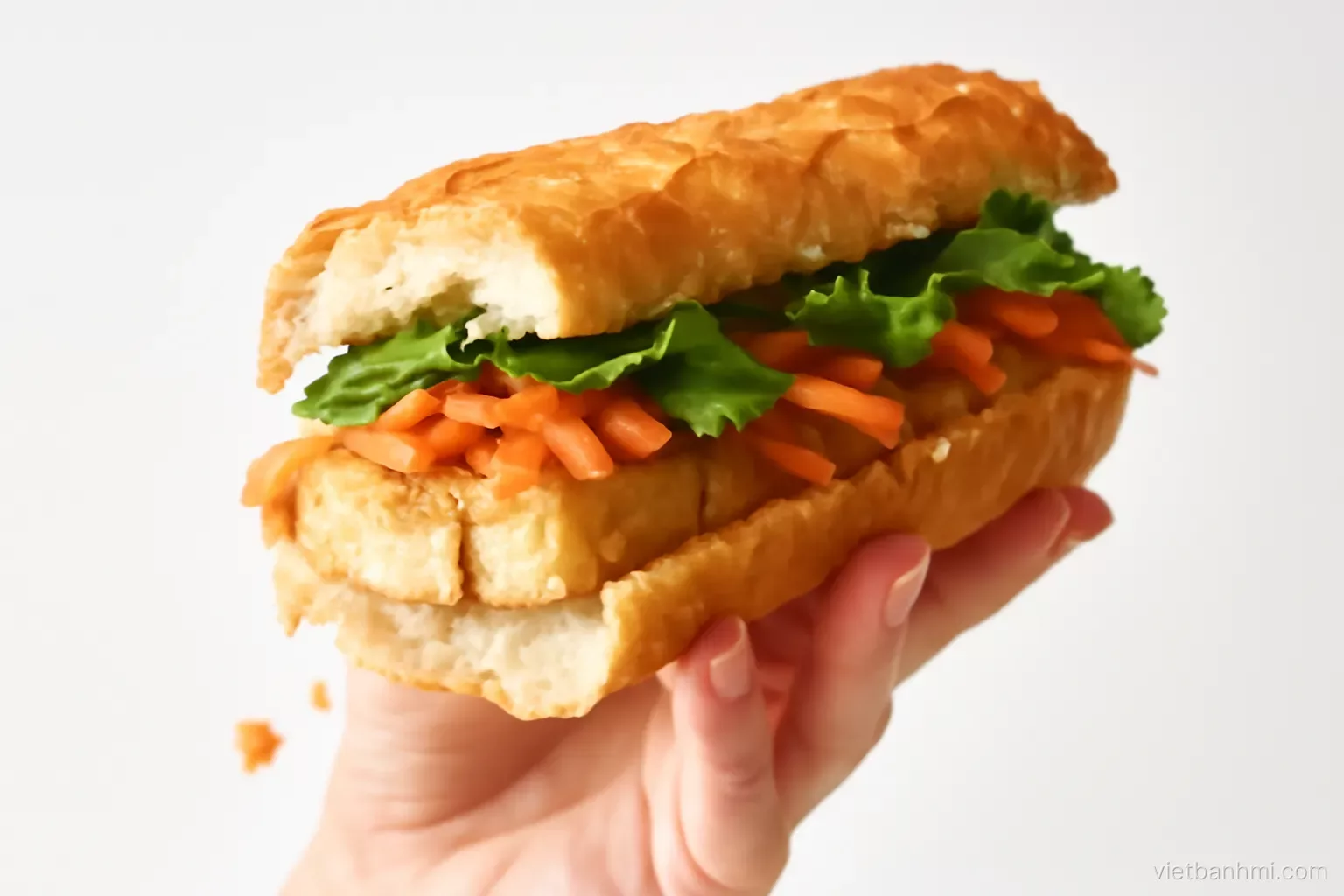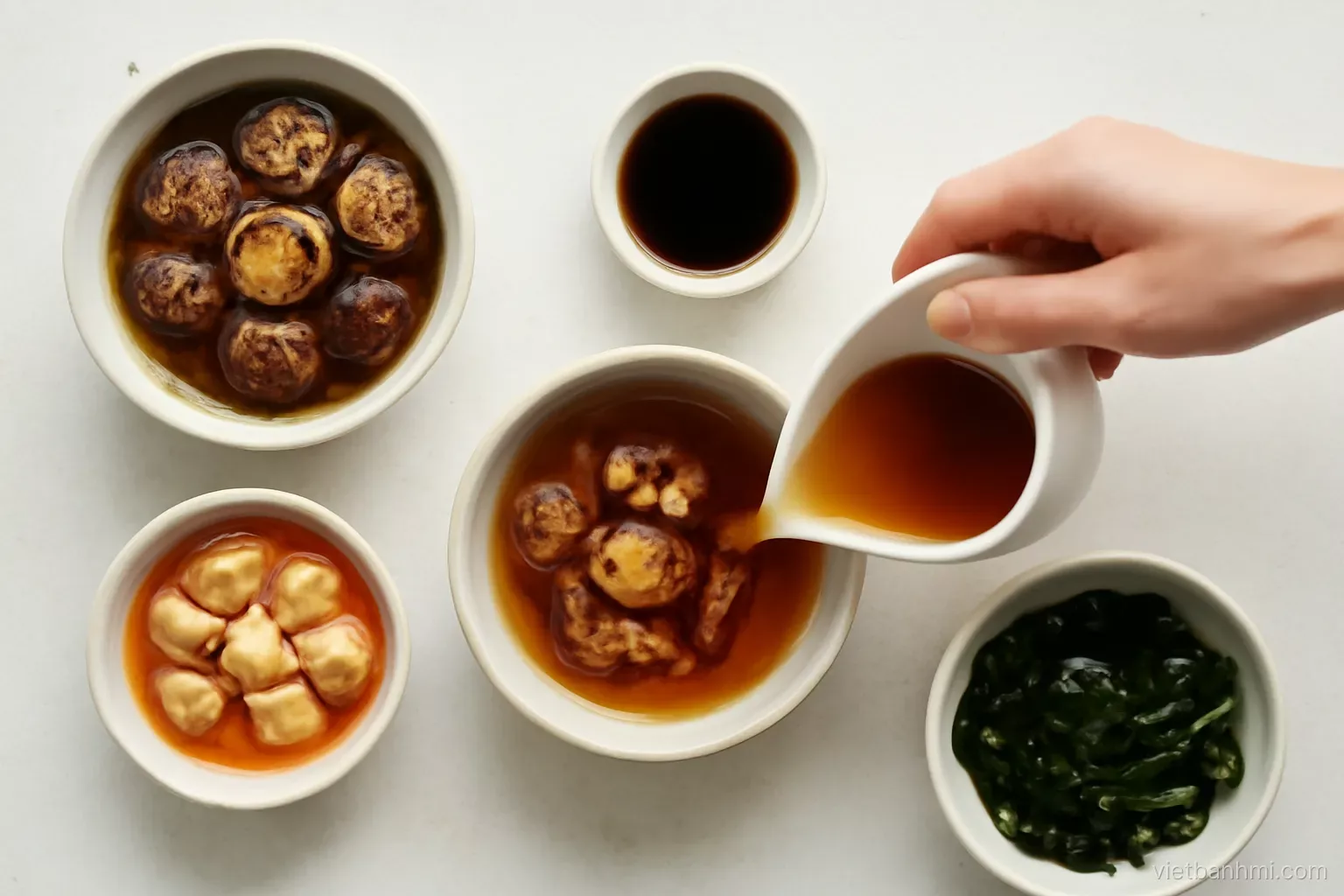
Short answer: Vegan banh mi gets its savory depth from plant sources of umami: mushrooms (especially dried shiitake), soy sauce and other fermented soy products, fermented tofu, tomatoes and seaweed, plus browning techniques such as searing tofu and roasting mushrooms. Combining glutamate-rich ingredients like soy sauce with mushrooms multiplies the savory effect. Vietnamese vegetarian cooks have used these tricks for generations.
What umami actually is
Umami is the fifth basic taste, alongside sweet, sour, salty and bitter. It is the savory, mouth-filling taste of broth, aged cheese, grilled meat and soy sauce. Japanese chemist Kikunae Ikeda identified it in 1908 while studying kombu seaweed broth, and traced it to glutamate. Later research found that certain nucleotides, notably inosinate (abundant in meat and fish) and guanylate (abundant in dried mushrooms), also produce umami.
The key discovery for vegan cooking is synergy. When glutamate and guanylate meet, the perceived savoriness is far stronger than either alone. In practice, that means soy sauce plus mushrooms tastes much more savory than either on its own. A classic banh mi gets this effect from meat, pâté and fish sauce. A vegan banh mi has to build it deliberately from plants.
Plant sources of umami for banh mi
| Ingredient | Vietnamese name | Main umami contribution | How to use it in banh mi |
|---|---|---|---|
| Dried shiitake mushrooms | nấm đông cô | Guanylate, plus glutamate | Soak, slice, sauté with soy; use soaking liquid in marinades |
| Fresh mushrooms (oyster, king oyster) | nấm bào ngư, nấm đùi gà | Glutamate, meaty texture | Sear hard until browned; tear or slice thick |
| Soy sauce | nước tương, xì dầu | Glutamate from fermentation | Marinades, final splash |
| Fermented soybean paste | tương | Glutamate, deep savory notes | Small amounts in marinades or spreads |
| Fermented tofu | chao | Funky, cheese-like savoriness | Mash a little into a spread or marinade |
| Ripe tomatoes | cà chua | Glutamate | Cooked down in fillings and sauces |
| Seaweed (kombu, nori) | rong biển | Glutamate | Infuse in stocks or grind into seasoning |
| Mushroom seasoning | hạt nêm nấm | Concentrated savory seasoning | A pinch in marinades; check label |
Many Vietnamese kitchens also use bột ngọt (monosodium glutamate, MSG). The US Food and Drug Administration classifies MSG as "generally recognized as safe". Some people prefer to avoid it, which is a personal choice; vegan banh mi can be deeply savory with or without it.
Browning: the second engine of flavor
Umami ingredients supply the base, but browning supplies the roasted, grilled notes that people associate with meat. The Maillard reaction, which happens when proteins and sugars meet high heat, creates hundreds of flavor compounds. Tofu and mushrooms brown beautifully if you give them the chance.
- Dry first. Press firm tofu for 15–20 minutes under a weighted board to remove water. Pat mushrooms dry; do not wash them in a bowl of water right before cooking.
- Heat the pan. Use a heavy pan with 1–2 tablespoons of oil, hot enough that a drop of water sizzles instantly.
- Do not crowd. Cook in batches so pieces sear rather than steam.
- Leave it alone. Let tofu or mushrooms sit 3–4 minutes per side until deeply golden before turning.
- Season at the end. Add a splash of soy sauce in the last 30 seconds so it caramelizes onto the surface instead of making the pan wet.
Vietnamese cooks also use nước màu (caramel sauce), sugar cooked to a dark amber, to add color and a bittersweet, roasted depth to braised dishes. A teaspoon in a tofu or mushroom braise gives it a glossy, savory-sweet finish.
Getting the most from dried shiitake
Dried shiitake are the single most useful umami ingredient in a vegan banh mi kitchen, and they are cheap and easy to store. Drying concentrates their flavor, and the guanylate that drives the synergy effect is released as the mushrooms are rehydrated and cooked. Soak 20–30 g of dried shiitake in about 300 ml of cool water for several hours, or overnight in the fridge, rather than rushing them in boiling water; slow soaking gives a more savory result. Squeeze them out, remove the tough stems, and slice the caps for sautéing with soy sauce and a little sugar.
Do not throw away the soaking liquid. Strain it through a fine sieve or paper towel to remove grit, then use it in marinades for tofu, to deglaze the pan after searing, or as the base for a quick braise. A few tablespoons of shiitake liquid plus a splash of soy sauce turns plain tofu into something that tastes slow-cooked. Kept covered in the fridge, the liquid lasts a couple of days.
Building a savory vegan banh mi, layer by layer
Think in layers, each adding something different:
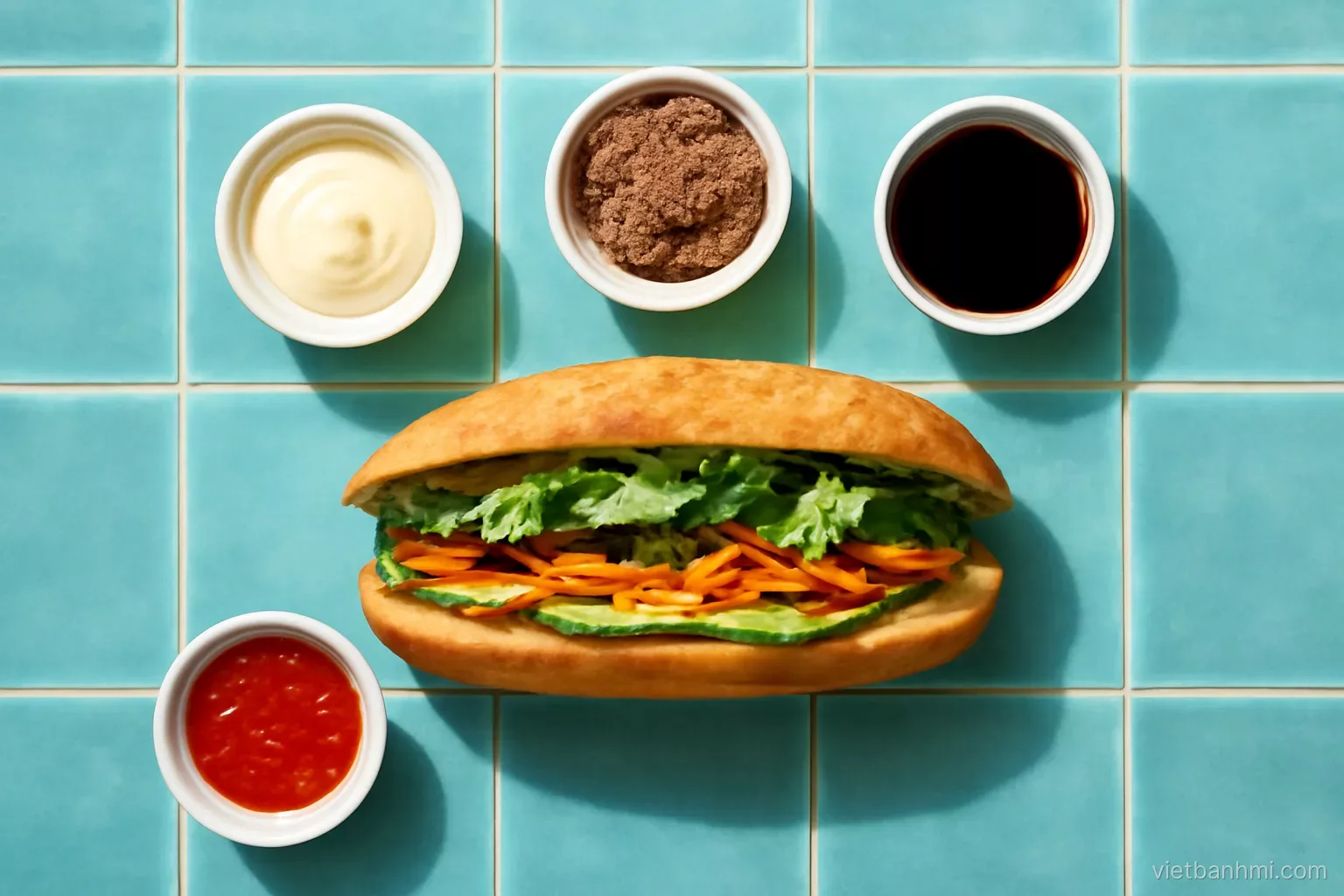
- Spread: a plant-based mayo or mushroom pâté for richness. A small amount of mashed chao stirred into vegan mayo adds a surprising depth.
- Main filling: seared tofu, roasted mushrooms, or a grain- or soy-based cold cut, seasoned with soy sauce and aromatics.
- Acid: đồ chua (pickled carrot and daikon) to cut richness and make umami taste brighter.
- Freshness: cilantro and cucumber.
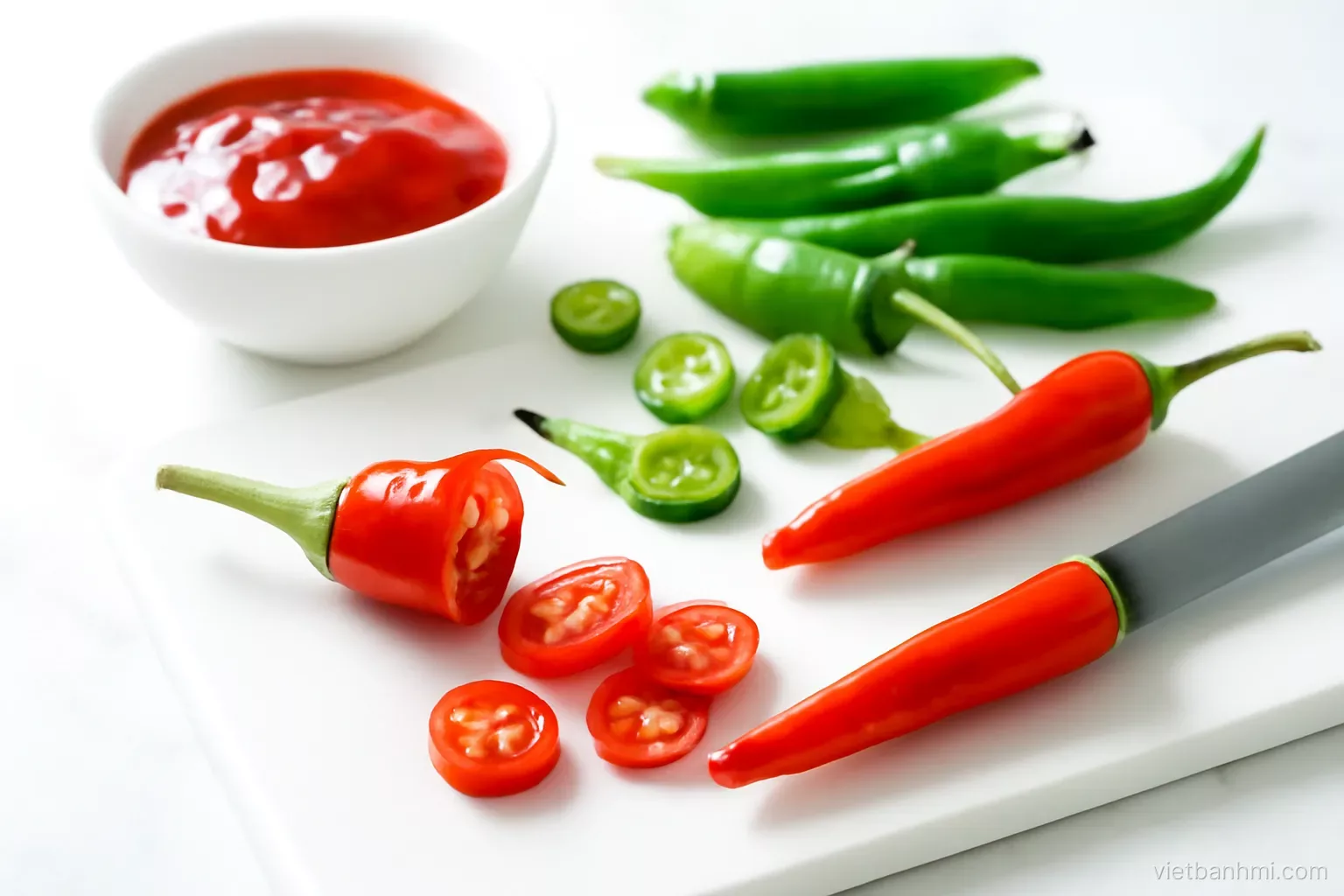
- Heat: chili or chili sauce, which amplifies savory flavors.
- Finish: a few drops of soy seasoning over everything just before closing.
The acid is easy to underestimate. Umami without acid tastes heavy and flat; with acid, it tastes vivid. That is exactly the role pickles play in every banh mi. You can learn more about each layer in our Flavors & Ingredients section, and full home recipes are on our sister site vegetarianbanhmi.com.
Vietnamese vegetarian tradition: the original playbook
None of this is new in Vietnam. Buddhist vegetarian cooking, đồ chay, has long developed ways to create rich, satisfying food without meat or fish. Temple kitchens and vegetarian restaurants make "meats" from tofu skin, wheat gluten, mushrooms and jackfruit, season them with soy and fermented bean products, and use techniques such as frying and braising to build flavor. Vegetarian versions of chả lụa (Vietnamese sausage roll), made from soy or grain, have been staples for years and are a natural fit for banh mi.
Modern vegan banh mi shops draw directly on that playbook. Bánh Mì XANH in Saigon, part of the Chay 365 vegetarian restaurant group, builds its sandwiches around tofu, mushrooms and a grain-based vegan cold cut, the Chả Lát Chay. Its Thập Cẩm combines vegetables, tofu and mushrooms in one sandwich, which is essentially a lesson in layering plant umami with freshness. If you want to see how other plant-based banh mi are put together, read our Vegan Banh Mi section.
Common mistakes and how to fix them
- Bland tofu. Unpressed, unseasoned tofu tastes of very little. Press, sear and season it.
- Soggy mushrooms. Crowding the pan makes them steam. Cook in batches over high heat.
- Too much salt, not enough depth. Adding more soy sauce makes food salty, not deeper. Add mushrooms or a little fermented paste instead.
- No acid. If the sandwich tastes heavy, add more pickles or a squeeze of lime.
- Skipping fat. Umami needs a little fat to carry it. A plant-based spread or a drizzle of scallion oil made with vegetable oil helps.
Sources
- Umami Information Center – umamiinfo.com
- US Food and Drug Administration, questions and answers on monosodium glutamate – fda.gov
- USDA FoodData Central, mushrooms, shiitake, dried – fdc.nal.usda.gov
Frequently asked questions
What gives vegan food umami?
Glutamate and certain nucleotides found in mushrooms, soy sauce, fermented soy products, tomatoes and seaweed. Combining glutamate-rich soy sauce with guanylate-rich dried mushrooms creates an especially strong savory effect.
Is MSG vegan?
MSG is typically produced by fermentation and is generally considered vegan. The US FDA classifies it as generally recognized as safe. Whether to use it is a personal choice.
What is chao in Vietnamese cooking?
Chao is fermented tofu, a soft, pungent, cheese-like product. Used in small amounts, it adds deep savory flavor to marinades, spreads and dipping sauces in vegetarian cooking.
How do I make tofu taste meaty for banh mi?
Press it to remove water, sear it in a hot pan until deeply golden, then glaze with soy sauce at the end. Pairing it with mushrooms and pickles makes it taste even more savory.
Does vegan banh mi taste like regular banh mi?
A well-made vegan banh mi keeps the same balance of crisp bread, rich spread, savory filling, pickles, herbs and chili. The main filling tastes different, but the overall banh mi character is there.
Taste plant umami done right
Mushrooms, tofu and a grain-based cold cut, layered with pickles and herbs: that is how vegan banh mi earns its depth. When you are in Saigon, try it at Bánh Mì XANH, a fully vegan chain with five central shops open 24/7, or order delivery online to wherever you are staying.
Explore Bánh Mì XANH · 24/7 hotline / Zalo +84 923 183 183