Short answer: Spend day one on the central wards around Bến Thành and Đa Kao, day two in Chợ Lớn (Saigon's Chinatown, former Districts 5 and 6) with an evening food tour, and day three on a slower mix of Tân Định, a cooking class or a south-side neighbourhood, ending with a final banh mi. Three days let you cover breakfast, lunch and late-night cultures without rushing, and leave room for rain and rest.
Three days is the sweet spot for a Saigon food trip: enough time to eat across several neighbourhoods and try a guided tour, not so long that you need to leave the city. This plan is an example built on well-known areas. Treat it as a skeleton; the best meals often come from stalls you simply walk past.
Overview of the three days
| Day | Focus | Key foods | Rough food budget per person |
|---|---|---|---|
| Day 1 | Central wards: Bến Thành, Sài Gòn, Đa Kao | Banh mi, broken rice, coffee, street dinner | 400,000–800,000đ |
| Day 2 | Chợ Lớn by day, guided food tour by night | Dim sum, noodle soups, herbal drinks, tour dishes | Tour price plus 200,000–400,000đ |
| Day 3 | Tân Định, cooking class or former District 7, farewell | Market snacks, vegetarian lunch, final banh mi | 400,000–900,000đ |
Budgets are rough 2026 ranges for stalls and casual places; one restaurant dinner with drinks can equal a full day of street food.
Day 1: the central wards
Start with a banh mi and iced coffee near Bến Thành Market around 7:00, then walk the market mid-morning for fruit and snacks. Lunch is cơm tấm (broken rice) or a noodle soup. Spend the hot afternoon in a café in Đa Kao or along the river, and if you like museums, the War Remnants Museum and the Independence Palace are both in the central area. Dinner can be on a busy street-food strip such as Vĩnh Khánh street in the former District 4, followed by a walk around the backpacker area of Đề Thám and Bùi Viện. Our one-day plan in this section has more detail, and the Saigon food guide breaks the centre down by area.
Day 2: Chợ Lớn and a food tour
Morning and lunch in Chinatown
Chợ Lớn, spanning the former Districts 5 and 6, has been home to Saigon's Chinese-Vietnamese community for centuries. Its food scene includes dim sum, roast meats, noodle soups such as hủ tiếu and mì, herbal tea shops and sweet soups. Bình Tây Market, a large wholesale market, is the anchor of the area and best visited in the morning when it is busiest.
Take a ride-hail from the centre; it is roughly 5–7 km depending on where you stay. Walk the streets around the market and the temples, stopping for small portions. Herbal tea shops selling bitter, cooling drinks in brass urns are a distinctive local sight. Return to your hotel for a rest in the afternoon.
Evening food tour: how to choose one
A guided evening food tour is the best way to reach stalls and dishes you would not find alone, especially in residential areas. There are two main formats:
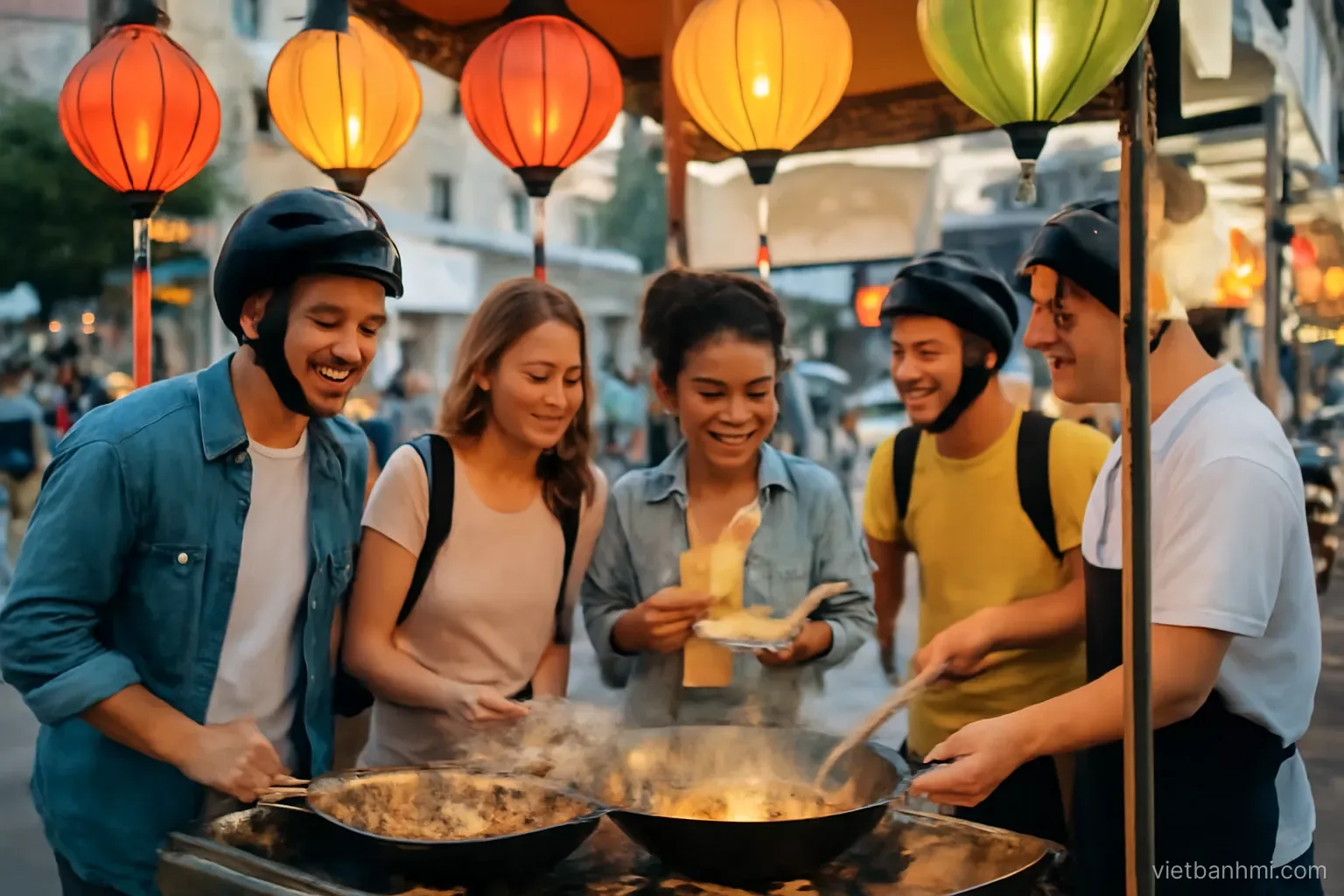
- Motorbike tours: you ride as a passenger behind a guide-driver and cover several districts in three to four hours. Exciting and efficient; check that helmets are provided and drivers are licensed.
- Walking tours: slower and focused on one or two neighbourhoods, good for families and nervous riders.
Questions to ask before booking:
- How many stops and dishes are included, and are drinks included?
- What is the group size? Smaller groups get into tinier stalls.
- Can they handle dietary needs, for example a fully vegetarian route without fish sauce?
- Is there an insurance or rain policy?
- Where is pick-up, and does it work for your ward?
Prices vary widely by operator and format; compare several and read recent reviews. A vegetarian or vegan tour is worth requesting specifically, since "vegetarian" in Vietnam can still include fish sauce or egg unless stated. Our eating vegan in Vietnam section has the phrases to share with a guide.
Day 3: slower and more local
On your last day, mix one structured activity with free grazing. Start at Tân Định Market in Tân Định ward, a neighbourhood market with good snack stalls and fabric shops, less touristy than Bến Thành. Breakfast can be bánh cuốn (steamed rice rolls) or a banh mi from a local stall.
Late morning, consider a cooking class; many include a market visit and teach dishes like fresh spring rolls, banh mi fillings or phở. If you prefer to explore, head south to the former District 7, home to the Phú Mỹ Hưng area with wide streets, parks and many restaurants. It shows a newer, more planned side of Saigon and is easy for families.
In the evening, return to the central wards for a relaxed dinner and a final walk. Leave room for one last banh mi, because you will miss it.
Alternative day: the Mekong Delta
If you would rather see the countryside, swap day three for a Mekong Delta day trip. Organised tours commonly visit areas around Mỹ Tho or Bến Tre, about two hours or more by road each way depending on traffic, with boat rides through coconut-lined canals, fruit orchards and small family workshops making coconut candy or rice paper. Food on these tours is usually a set lunch, often including elephant-ear fish and fresh fruit, so tell the operator in advance if you are vegetarian. It is a long day and you will be tired, so keep the evening simple: a light dinner near your hotel and an early night. For a food-focused trip, the floating markets further south around Cần Thơ are more rewarding but work better as an overnight trip than a day trip from Saigon.
Pacing and logistics
- Base yourself centrally: Bến Thành or Đa Kao keeps most rides under 20 minutes outside rush hour.
- Rush hours: roughly 7:00–8:30 and 16:30–19:00; avoid crossing the city then.
- Heat breaks: plan indoor time from 13:00 to 16:00 every day.
- Rainy season (May–November): keep afternoons flexible; downpours are often heavy but short.
- Cash and QR: carry small notes; many stalls also take local bank QR.
- Portion control: share plates and order small, so you can try 10–15 dishes a day.
Common mistakes on a three-day food trip
Booking a food tour for the arrival night is the classic one; flights get delayed and jet lag is real. Another is eating only in the backpacker area, which has fun nightlife but less variety than residential wards. A third is overdoing coffee and skipping water in the heat. Finally, many visitors forget that some markets and stalls close early in the afternoon, so do markets in the morning.
Vegetarian and vegan version
All three days work for plant-based travellers with a few swaps. Saigon has a deep Buddhist vegetarian tradition, with quán chay (vegetarian eateries) in every area and more food on the 1st and 15th of each lunar month, when many locals eat chay. For breakfast and late night, a fully vegan banh mi shop is the easiest option. Bánh Mì XANH runs five 24/7 shops, including one in the former District 7 inside the Chay 365 vegetarian restaurant at 210 Bùi Văn Ba, which fits neatly into a day-three trip south.
Sources
- Vietnam National Authority of Tourism – vietnam.travel (Ho Chi Minh City guide)
- Ho Chi Minh City Department of Tourism – visithcmc.vn (markets, museums and districts)
- Bánh Mì XANH – banhmixanh.com (shop locations and hours, checked October 2026)
Frequently asked questions
Is three days enough for a Saigon food trip?
Yes, three days is a comfortable length. You can cover the centre, Chợ Lớn, a food tour and a slower local day without rushing.
Which is better, a motorbike or walking food tour?
Motorbike tours cover more ground and feel more adventurous; walking tours are slower and suit families or nervous riders. Choose based on comfort and what neighbourhoods you want to see.
What is Chợ Lớn famous for?
Chợ Lớn is Saigon's historic Chinatown, known for Bình Tây Market, temples, dim sum, noodle soups and herbal tea shops. Mornings are the liveliest time.
Can I do a vegan food tour in Saigon?
Some operators offer vegetarian or vegan routes on request. Ask them to confirm no fish sauce, shrimp paste or egg, since "vegetarian" can be interpreted loosely.
Where should I stay for a food trip in Saigon?
The central wards around Bến Thành, Đa Kao or the Đề Thám area keep most food stops within a short walk or ride. Staying central reduces time lost in traffic.
A banh mi stop for every day of your trip
Across three days in Saigon you will pass at least one Bánh Mì XANH: five fully vegan banh mi shops open 24/7, from Bến Thành and Đa Kao to the Đề Thám backpacker area and the Chay 365 restaurant in the former District 7. Pick the one nearest each day's route, or order delivery when you need a quiet evening in.
Find the nearest Bánh Mì XANH shop · 24/7 hotline / Zalo +84 923 183 183