Short answer: Tết Nguyên Đán, the Vietnamese Lunar New Year, falls on Saturday 6 February 2027, and the official public holiday runs from Thursday 4 to Wednesday 10 February 2027. During those days many family-run stalls and restaurants close, transport is booked out and some prices carry a holiday surcharge, but cities are calm, decorated and full of special foods. Food travellers can have a great time if they plan meals, book transport early and know which places stay open.
Tết is the most important holiday in Vietnam: a time to return home, honour ancestors, clean the house, settle debts and start the year well. For visitors it is both magical and tricky. Saigon's usual roar softens into quiet streets, flower markets and families in new clothes, and the food is spectacular, but a lot of it happens in homes rather than on the street. Here is how to plan a food trip around it.
Tết 2027 dates and what they mean
In early October 2026, Deputy Prime Minister Phạm Thị Thanh Trà approved the Ministry of Home Affairs' plan for a seven-day Tết holiday for public employees, from 4 February (the 28th day of the 12th lunar month) to 10 February 2027 (the 5th day of the first lunar month), as reported by Báo Quốc tế on 3 October 2026. Lunar New Year's Day, Lunar New Year's Day, mùng 1, Saturday 6 February 2027. The new lunar year is the Year of the Goat in the Vietnamese zodiac.
| Date (2027) | Lunar date | What usually happens |
|---|---|---|
| Late January to 3 Feb | Mid to late 12th month | Shopping rush, flower markets, traffic peaks, travel home begins |
| Thu 4 – Fri 5 Feb | 28th–29th/30th of 12th month | Holiday starts; many stalls close; New Year's Eve dinner at home |
| Sat 6 Feb | Mùng 1 (day 1) | Family visits, temple visits; quietest day for street food |
| Sun 7 – Mon 8 Feb | Mùng 2–3 | Visiting relatives and friends; some eateries reopen |
| Tue 9 – Wed 10 Feb | Mùng 4–5 | More shops reopen; travel back to cities |
| Sat 20 Feb | 15th of 1st month (Rằm tháng Giêng) | First full moon; many people eat vegetarian and visit pagodas |
The exact days individual shops close are up to each owner. Many small vendors close for longer than the official holiday, since they travel back to their home provinces; some do not reopen until around the 6th to 10th day of the lunar month.
What closes and what stays open
The biggest change is on the street. Family-run banh mi carts, noodle stalls and neighbourhood cafés often shut for several days. Traditional markets slow down after the pre-Tết rush and may close on the first days of the new year. By contrast, most hotels operate normally, and many chain cafés, convenience stores, shopping malls and international restaurants stay open, sometimes with shorter hours. In central Saigon, tourist-facing streets keep some life throughout.
- Usually open: hotels, convenience stores, many chain cafés and fast food, malls, some restaurants in tourist areas, ride-hailing (with fewer drivers and higher fares).
- Often closed: small family stalls, local markets on the first days, many government offices and banks.
- Expect: holiday surcharges at some restaurants and cafés, often shown on the menu or bill; ask if unsure.
A 24/7 option close to your hotel is valuable during Tết. Bánh Mì XANH, a fully vegan banh mi chain in Saigon, keeps all five of its central shops open 24/7, including on Sundays and through Tết, which makes it one of the few banh mi stops you can count on when family carts are shuttered.
Tết foods to look for
Most Tết food is cooked at home in advance, because cooking is traditionally avoided on the first days. Visitors can still taste much of it in shops, at markets before the holiday, or if invited to a Vietnamese home.
- Bánh chưng (square sticky rice cake): glutinous rice, mung bean and usually pork, wrapped in leaves and boiled for hours; the northern Tết symbol.
- Bánh tét (cylindrical sticky rice cake): the southern equivalent, rolled into a log and sliced; vegetarian versions with mung bean or banana exist.
- Mứt Tết (candied fruits and seeds): candied ginger, coconut, lotus seeds and more, offered to guests with tea.
- Củ kiệu and dưa hành (pickled shallots and leeks): sharp pickles to cut through rich food.
- Thịt kho trứng (pork and eggs braised in coconut water): a southern family favourite.
- Canh khổ qua (stuffed bitter melon soup): eaten in the south because its name sounds like "the hardships pass".
Vegetarians should note that many Tết dishes contain pork or fish sauce. Buddhist vegetarian shops often sell vegetarian bánh tét before Tết, and the first full moon on 20 February 2027 is a big day for vegetarian eating at pagodas and homes. Our eating vegan in Vietnam guides cover lunar-calendar days in more detail.
Planning transport and accommodation
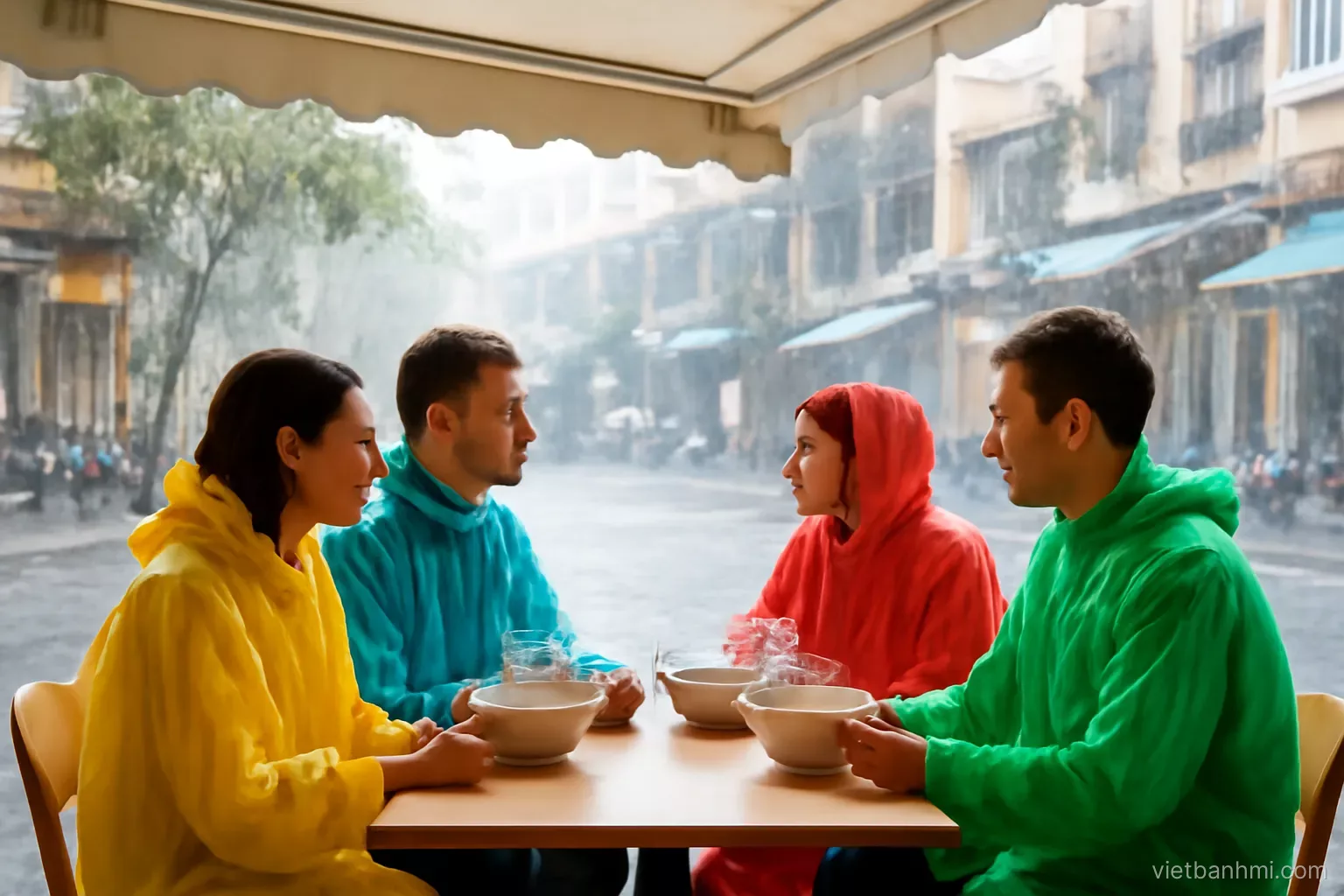
Tết is the largest annual migration in Vietnam. Domestic flights, trains and long-distance buses around the holiday sell out weeks or months ahead, and prices rise sharply. If you plan to travel between cities, book as early as you can and avoid travel days just before the holiday and around the 4th–6th day of the new year, when people return. Inside Saigon, the city is unusually calm on the first days of Tết, which makes it a lovely time to walk, but ride-hailing has fewer drivers and higher fares.
Hotels in Saigon are usually available, since many residents leave the city, but beach towns and Đà Lạt fill up with domestic tourists. Book refundable rates when you can.
Money and practical tips
- Withdraw cash before the holiday; ATMs can run low in some areas.
- Carry crisp small notes; giving lì xì (lucky money in red envelopes) is a custom if you are invited into a home with children.
- Check opening hours online or by phone before making a trip across town.
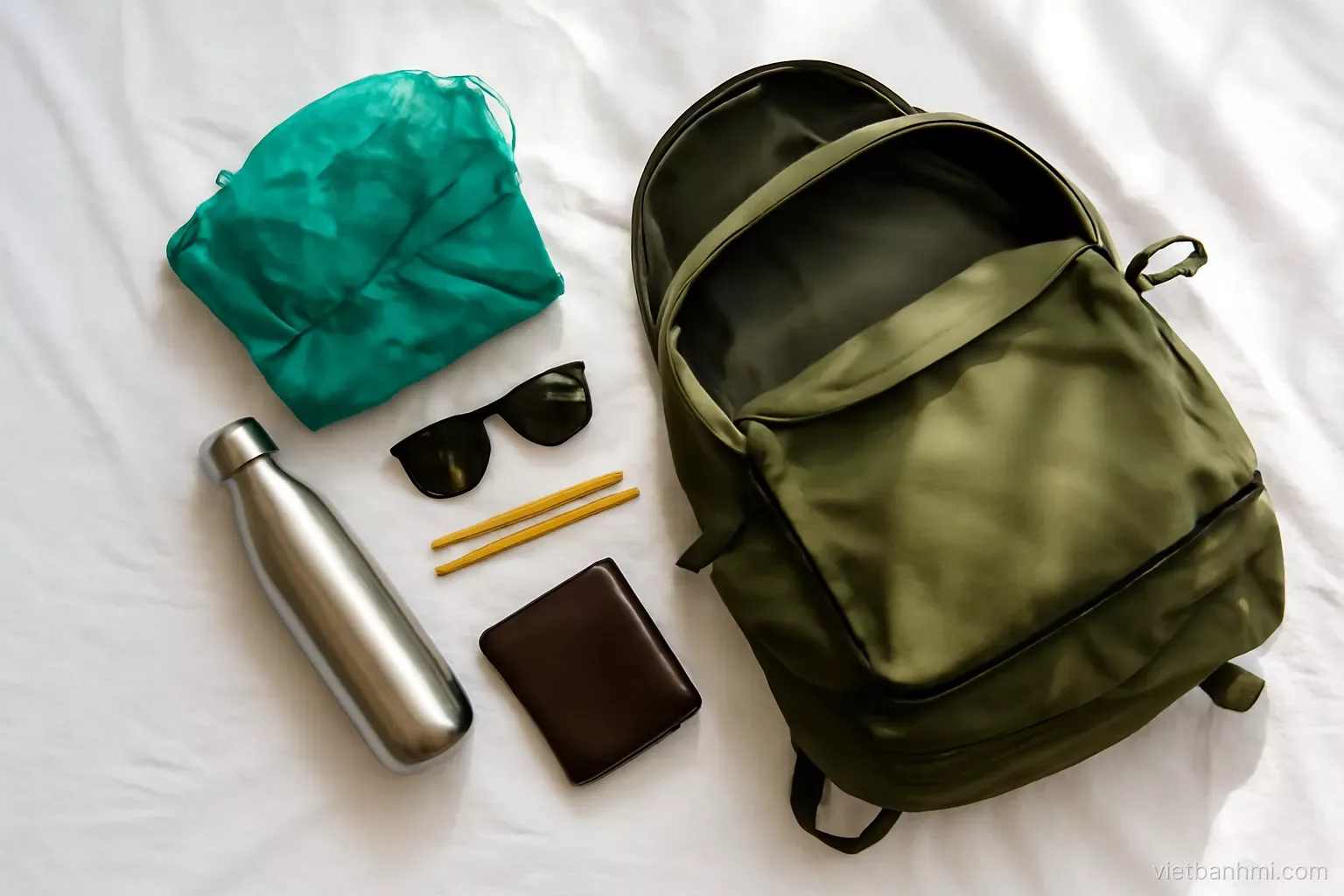
- Stock up on snacks and water before the first day of Tết.
- Expect fireworks at midnight on New Year's Eve in major cities, subject to local announcements.
If you are invited to a Vietnamese home
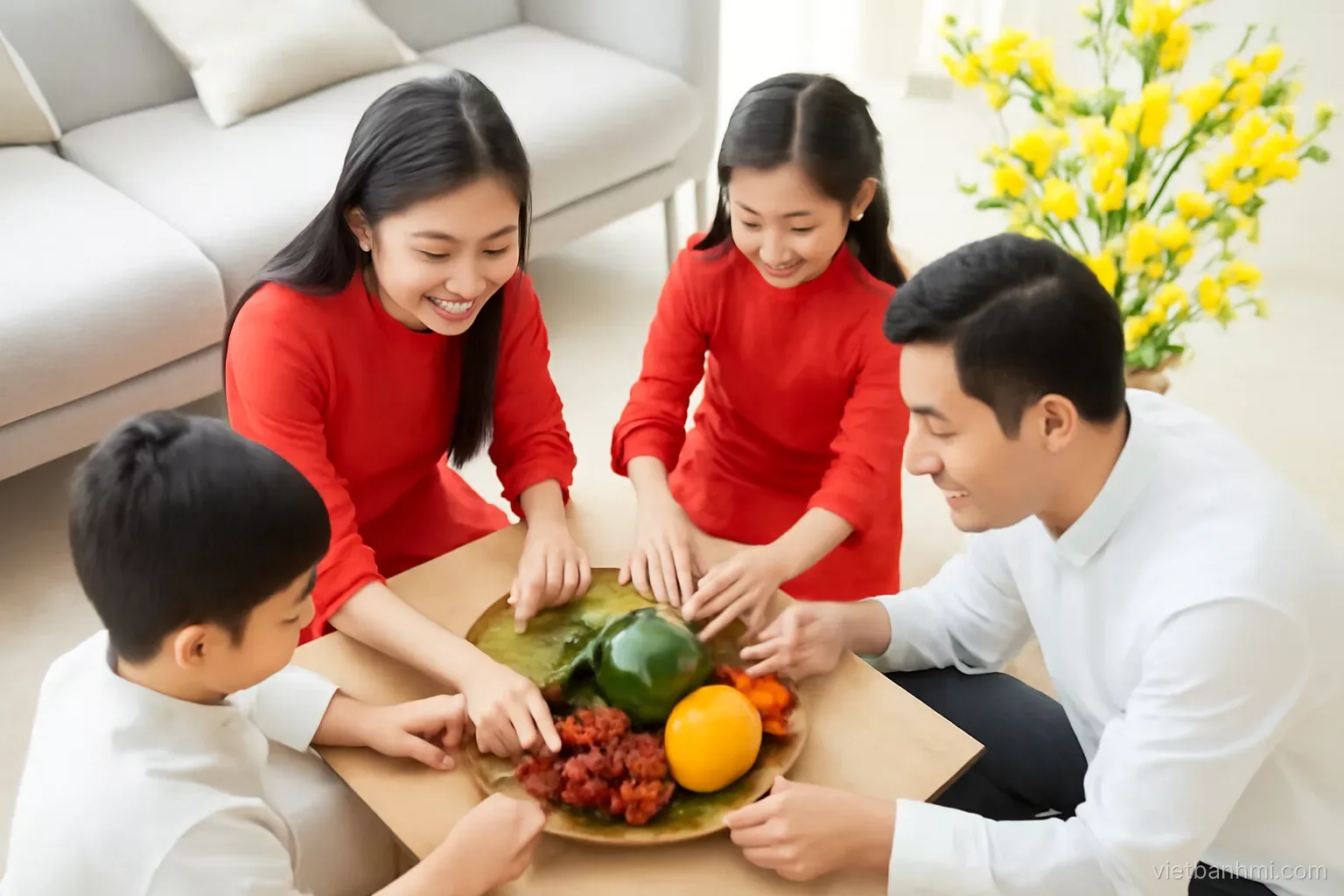
Being invited into a home during Tết is a real honour. Bring a small gift such as fruit, a box of tea or sweets, and if there are children, a red envelope of lì xì with a modest amount of new notes. Accept the tea and the candied fruits offered on arrival, even if you only take a little. Meals are shared from common dishes; wait for the eldest to start, and expect your host to keep filling your bowl. If you are vegetarian, mention it gently when you accept the invitation rather than at the table, so the family can prepare something without embarrassment.
A sample Tết day in Saigon
As an example, a food-focused Tết day in central Saigon could look like this. Start with breakfast at a 24/7 or hotel option, since many morning stalls are closed. Walk the flower displays: the city has in recent years set up a flower street on Nguyễn Huệ boulevard for Tết, which is worth checking in local announcements. Visit a pagoda in the late morning to see families making offerings. Have lunch at a mall food court or a restaurant in the central wards that has announced it is open. Spend the afternoon in a café, then join the evening crowds in the decorated centre and finish with a banh mi from a shop that stays open late.
For more neighbourhood-by-neighbourhood ideas, see our Saigon food guide, and for full itineraries, the food trip planning section.
Common mistakes during Tết
- Assuming everything is open. Many favourite stalls close for a week or more; have a backup.
- Booking intercity travel late. Seats vanish and prices spike; book early.
- Ignoring surcharges. Some restaurants add a Tết surcharge; check the menu.
- Arriving without cash. Banks close and some ATMs run dry.
- Being loud or negative on mùng 1. The first day sets the tone for the year in Vietnamese belief; keep it friendly.
Sources
- Báo Quốc tế – baoquocte.vn (seven-day Tết Đinh Mùi 2027 holiday approved, 3 October 2026)
- Vietnam National Authority of Tourism – vietnam.travel (Tết traditions)
- Tuổi Trẻ News – news.tuoitre.vn (2027 Lunar New Year holiday options)
Frequently asked questions
When is Tết 2027?
Lunar New Year's Day falls on Saturday 6 February 2027. The official public holiday runs from 4 to 10 February 2027, seven days in total.
Is it a good idea to visit Vietnam during Tết?
It can be wonderful for atmosphere and festive foods, especially in a calm Saigon. The trade-offs are closed stalls, booked-out transport and higher prices, so plan ahead.
Is street food available during Tết?
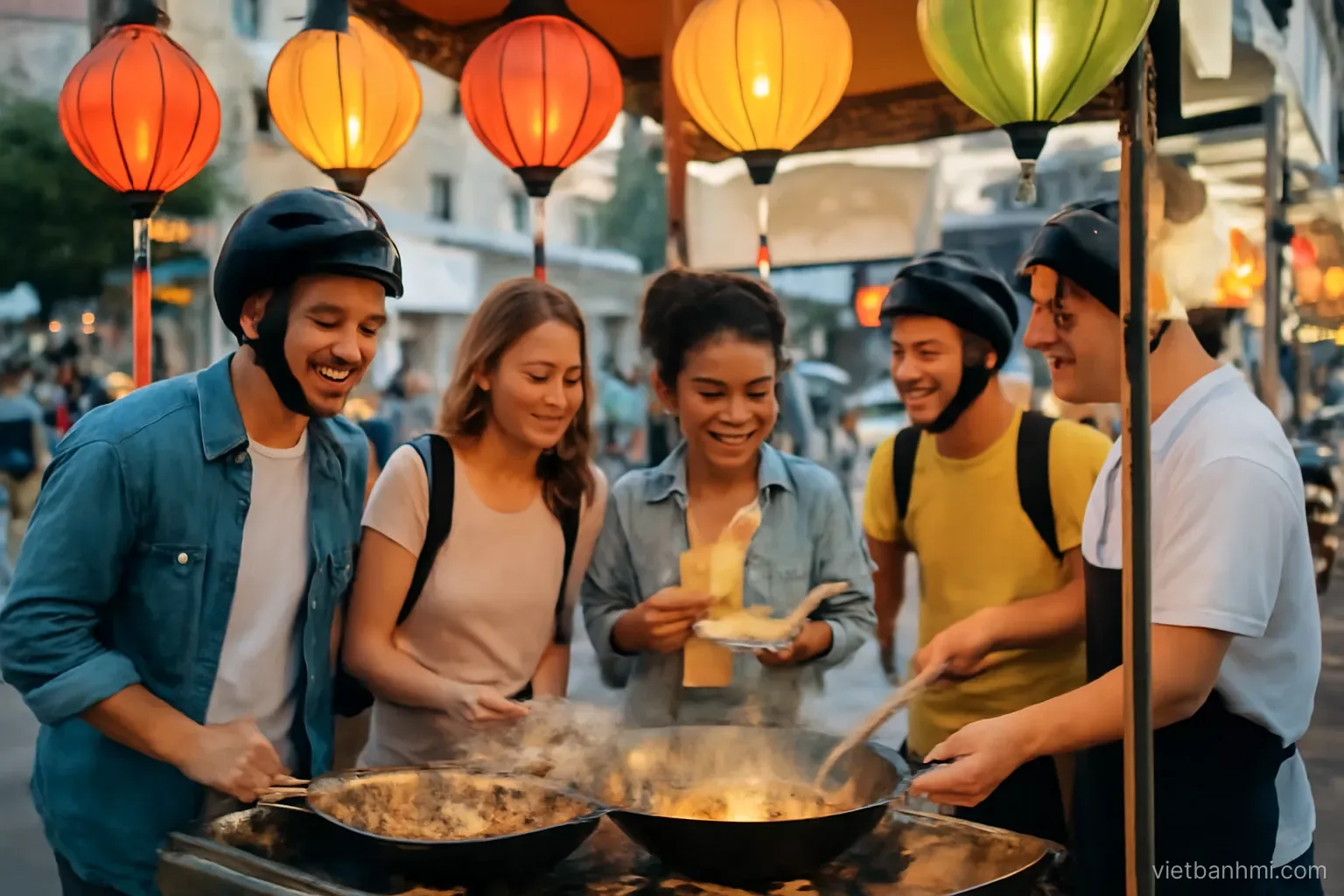
Less than usual. Many family stalls close for several days, but central areas keep some vendors, chains and 24/7 shops open. Street food returns gradually from around the 4th to 6th day.
What should I eat during Tết?
Try bánh tét or bánh chưng, candied fruits, pickled shallots, and braised pork with eggs if you eat meat. Vegetarians can look for vegetarian bánh tét from Buddhist shops.
Do restaurants charge more during Tết?
Some do, adding a holiday surcharge to the bill or raising menu prices. It is normal and usually stated; ask if you are unsure before ordering.
Open through Tết, open all night
When family stalls close for Tết 2027, Bánh Mì XANH keeps its five central Saigon shops open 24/7, serving fully vegan banh mi and coffee throughout the holiday. If the streets are quiet and you would rather stay in, order delivery online and the shop will call to confirm.
Order Bánh Mì XANH online · 24/7 hotline / Zalo +84 923 183 183