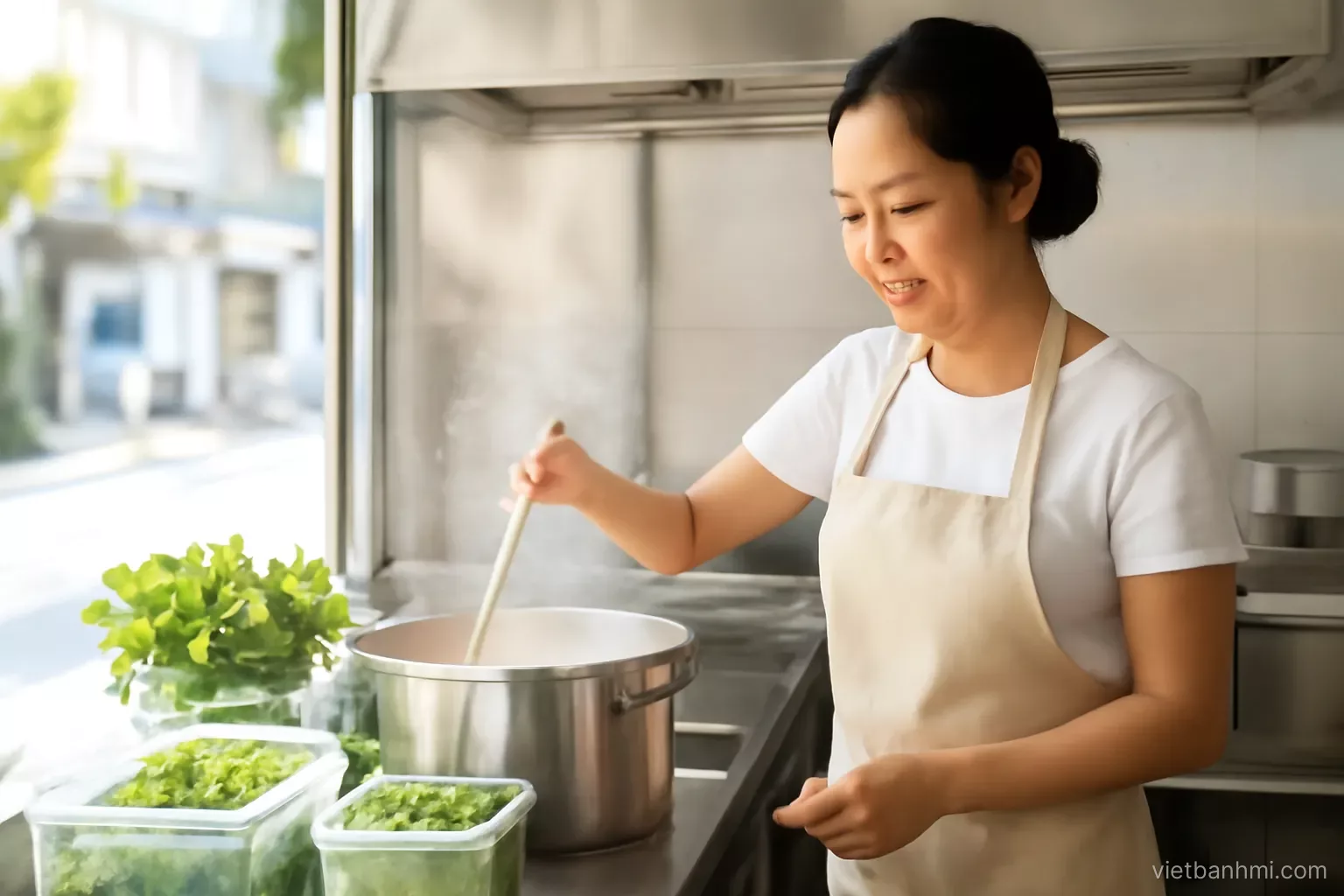
Short answer: Street food in Vietnam is eaten safely by millions of people every day, and most visitors enjoy it without trouble. Pick busy stalls with high turnover, food cooked hot in front of you, separated raw and cooked ingredients and clean water for washing. Travel health agencies such as the US CDC advise visitors not to drink tap water, to be cautious with ice and uncooked produce, and to consider hepatitis A and typhoid vaccines before the trip.
Start with the official baseline
Before talking about stalls, it helps to know what travel health authorities actually recommend. The US Centers for Disease Control and Prevention (CDC) advises travelers to Vietnam to get vaccinated against hepatitis A and typhoid, both of which can spread through contaminated food and water. Its guidance says tap water is not safe to drink in Vietnam, and that ice can be unsafe because it is often made from tap water. It also recommends caution with raw or undercooked meat and seafood, raw vegetables and fruit you cannot peel. Check with a travel clinic or your doctor several weeks before you go, since needs depend on your health and itinerary.
That is a cautious baseline written for every traveler. In practice, most visitors eat street food regularly and choose where to draw their own line, for instance eating cooked dishes freely while being more selective about salads and ice. The rest of this guide is about making those choices with good information rather than fear.
The World Health Organization's five keys, at a street stall
The WHO's "Five Keys to Safer Food" are a simple framework that maps neatly onto what you can see at a Vietnamese stall. You cannot inspect a kitchen, but you can observe a lot from the sidewalk.
| WHO key | What to look for at a stall | Red flags |
|---|---|---|
| Keep clean | Tidy surfaces, clean cloths, a covered rubbish bin, a separate cash handler or gloves | Dirty rags wiping everything, flies on food |
| Separate raw and cooked | Raw meat kept apart, separate boards and tongs | Raw meat juices dripping onto ready food |
| Cook thoroughly | Broth at a rolling simmer, food grilled or fried to order | Lukewarm pots, pre-cooked food reheated briefly |
| Keep food at safe temperatures | Hot food kept hot, cold food on ice or in a cooler | Cooked dishes sitting in the sun for hours |
| Use safe water and raw materials | Bottled or filtered water containers, fresh-looking herbs | Washing bowls in one bucket of grey water |
Signals of a good stall
Experienced street eaters in Vietnam use a handful of signals that line up with the principles above. None is a guarantee, but together they tip the odds firmly in your favor.
- A crowd of locals. High turnover means ingredients do not sit around, and regulars vote with their feet. Office workers at lunch and families at dinner are a better sign than a single tour group.
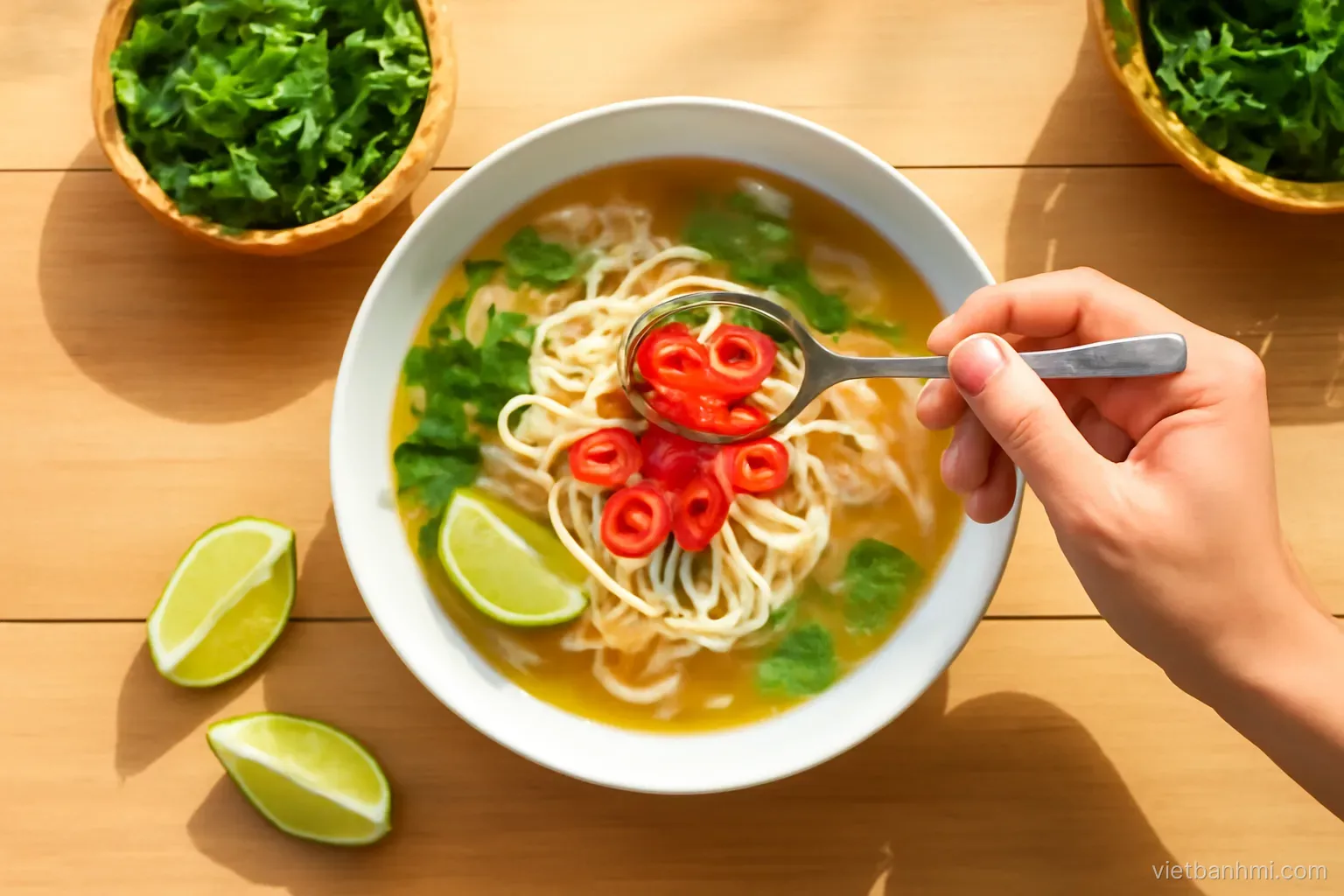
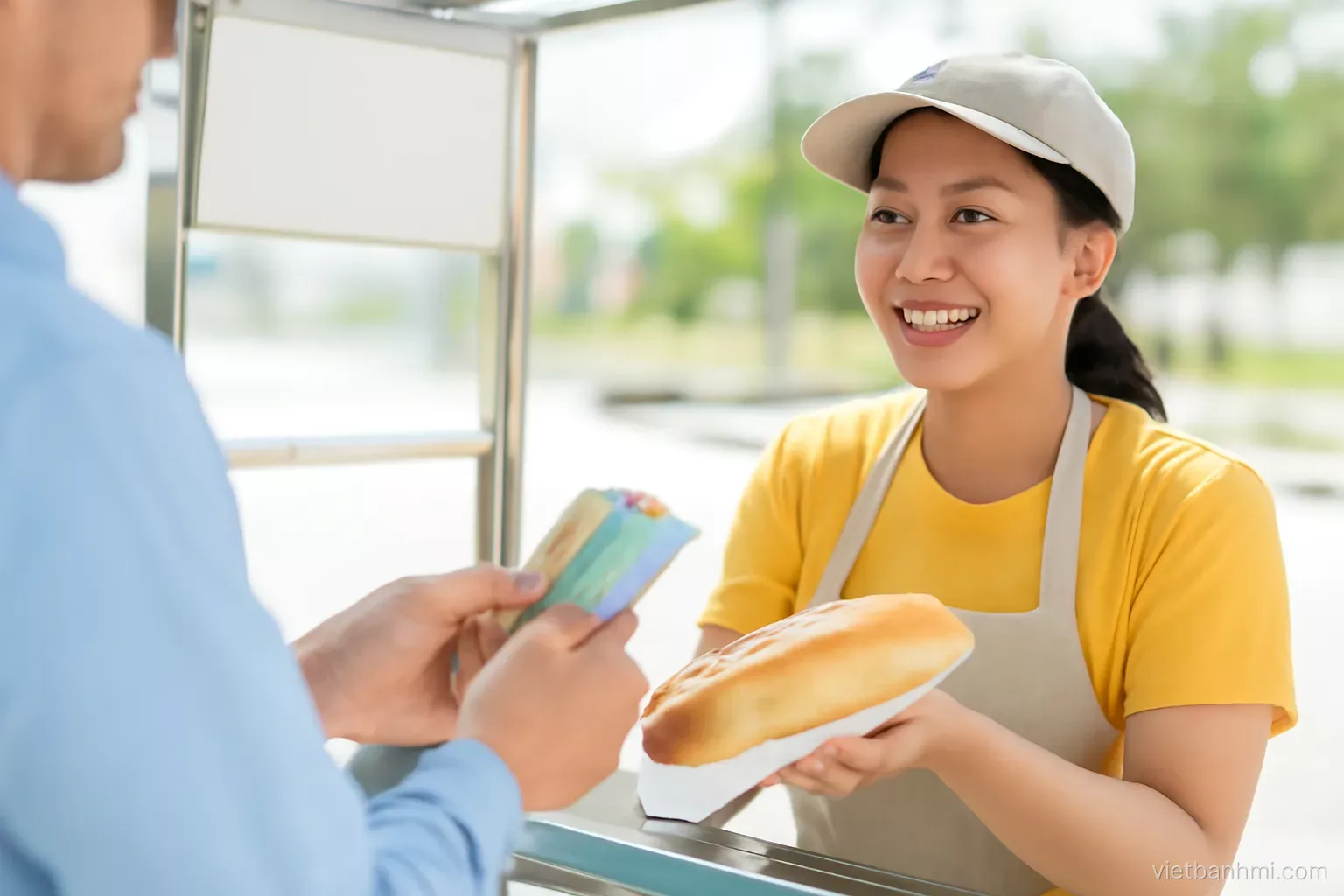
- Cooking in front of you. Noodle soups ladled from a boiling pot, banh mi grilled or toasted to order, skewers on charcoal: heat is your friend.
- A focused menu. A stall that sells one dish and sells out by noon usually cooks fresh every day.
- Clean water in sight. Large blue bottled-water containers or filtered water used for drinks and washing.
- Covered ingredients. Herbs, pickles and fillings kept in lidded containers or under glass rather than open to dust and insects.
- Separate money handling. One person takes cash while another touches the food, or the cook uses gloves or tongs.
Ice, herbs and other gray areas
Ice. In Vietnamese cities, many shops buy ice from commercial producers, delivered in sacks; you will often see cylindrical "tube" ice with a hole in the middle, which is typically factory-made, rather than irregular chunks chipped from a block. Many travelers drink iced coffee and tea throughout their trip without problems. The CDC's position remains that ice is a risk, so if you have a sensitive stomach, a short trip or an important event, order drinks without ice ("không đá") or stick to hot drinks and sealed bottles.
Fresh herbs and raw vegetables. Vietnamese food is built on raw herbs, lettuce and bean sprouts served on the side. Stalls usually wash them, but the water used varies. Cautious travelers skip raw greens for the first few days and add them gradually, or eat them where turnover is high and washing looks thorough. Pickled carrot and daikon in banh mi are preserved in vinegar and sugar, which makes them more acidic and less hospitable to many bacteria than raw salad.
Cut fruit. Fruit you peel yourself is the safest. Pre-cut fruit from carts is popular and often fine, but it has been handled and may have been rinsed in tap water.
Raw blood and rare meat. The CDC specifically warns against dishes made with raw pig blood or undercooked pork because of the risk of serious infections. These are niche dishes most visitors will not encounter, but it is worth knowing the name tiết canh (raw blood pudding) so you can decline it.
A sensible first-week strategy
- Days 1–2: Eat cooked, hot food from busy places: noodle soups, banh mi, grilled skewers, fried rice. Drink bottled water and hot drinks.
- Days 3–4: Add drinks with ice at busy cafés and fresh herbs at high-turnover stalls.
- Day 5 onward: Explore more widely, including salads and fresh spring rolls, while keeping the stall signals in mind.
- Always: Wash or sanitize your hands before eating, and carry tissues and a small bottle of hand gel.
This gradual approach also gives your gut time to adjust to new spices, oils and fiber, which on its own causes mild upsets in some travelers. Fully plant-based food has one structural advantage here: no raw meat or seafood is handled in the kitchen at all. Our Eating Vegan in Vietnam section covers vegetarian kitchens in detail.
If you do get sick
Most cases of travelers' diarrhea are mild and pass within a few days. Rest, drink plenty of safe fluids and use oral rehydration salts, which pharmacies (nhà thuốc) in Vietnam sell over the counter. Plain rice porridge, bananas and dry bread are gentle while you recover. See a doctor promptly if you have a high fever, blood in your stool, severe abdominal pain, signs of dehydration or symptoms lasting more than a few days. Big cities have international clinics and hospitals with English-speaking staff, and travel insurance that covers medical care is strongly recommended.
It is easy to blame the last street meal, but upsets often come from elsewhere: a hotel buffet, unwashed hands or simply heat and fatigue. Do not let one bad day put you off street food for the rest of your trip. For timing your meals around heat and crowds, see our Food Trip Planning section.
Sources
- U.S. Centers for Disease Control and Prevention, Yellow Book: Vietnam – cdc.gov
- World Health Organization, Five Keys to Safer Food – who.int
- Vietnam Food Administration, Ministry of Health – vfa.gov.vn
Frequently asked questions
Is street food safe to eat in Vietnam?
Generally yes, especially cooked food from busy stalls with visible hygiene. Follow basic precautions such as avoiding tap water and being selective with raw produce, particularly in your first days.
Is the ice in Vietnam safe?
Many city shops use factory-made ice and many travelers drink it without problems, but the CDC advises caution because ice can be made from tap water. Order drinks without ice if you want to minimize risk.
Which vaccines help with food safety in Vietnam?
The CDC recommends hepatitis A and typhoid vaccines for travelers to Vietnam, as both can spread through food and water. Consult a travel clinic several weeks before departure.
Should I avoid fresh herbs in Vietnam?
Not necessarily. Cautious travelers skip raw greens for the first few days and then eat them at busy, clean-looking stalls. Cooked dishes and pickles carry less risk.
What should I do if I get food poisoning?
Rest, drink safe fluids and use oral rehydration salts from a pharmacy. See a doctor if you have a high fever, bloody stools, severe pain or symptoms that last more than a few days.
Clean, consistent and fully vegan
When you want a sure thing in Saigon, Bánh Mì XANH runs five central shops open 24/7, with a fully vegan menu, so no raw meat or seafood is handled in its kitchens. It is a reliable choice for your first cautious days, and you can find the shop nearest your hotel in one tap.
Find the nearest Bánh Mì XANH · 24/7 hotline / Zalo +84 923 183 183